

• Home
  • Professor
  • Teaching
  • Research
    • Publications
    • Presentations
    • Awards
  • Projects
  • Research Team
  • Lab Photos
    • 2026 Spring
    • 2025 Fall
    • 2025 Spring
    • 2024 Fall
    • 2024 Spring
    • 2023 Fall
    • 2023 Spring
    • 2022 Fall
    • 2022 Spring
    • 2021 Fall
  • Contact
연세대학교 아동가족학과 사회정서발달연구실
  • Home
  • Professor
  • Teaching
  • Research
    • Publications
    • Presentations
    • Awards
  • Projects
  • Research Team
  • Lab Photos
    • 2026 Spring
    • 2025 Fall
    • 2025 Spring
    • 2024 Fall
    • 2024 Spring
    • 2023 Fall
    • 2023 Spring
    • 2022 Fall
    • 2022 Spring
    • 2021 Fall
  • Contact

Projects

Picture

M-PEACE
Mothers’ Parental Efficacy and Affect Control Evaluation

Emotion regulation is a key factor that critically shapes individual well-being and the quality of relationships. It influences self-esteem, the formation of positive interpersonal relationships, and the prediction of emotional difficulties such as anxiety and depression.
What kinds of emotions do mothers raising young children experience in their daily lives? What emotion regulation strategies do they use to respond to and cope with parenting stress? And which strategies are most effective for enhancing mothers’ emotional competence and parenting efficacy?
​In collaboration with the Department of Integrated Design, this project seeks to capture the everyday emotion regulation experiences of mothers with young children, and to analyze both within-person changes and between-person differences in these experiences. Ultimately, our goal is to identify ways to help mothers adapt healthily as caregivers and to foster positive parent–child relationships.
Picture

IDPD
Individual Differences in Personality Development

Personality is defined as a pattern of emotional, cognitive, and behavioral characteristics through which individuals respond to their environment.
What temperamental and environmental factors contribute to these individual differences? What kinds of person–environment and emotion–cognition interactions shape changes in personality? What are the defining features of adaptive personality, how does it develop, and what interventions can address maladaptive personality traits?
To answer these questions, our lab has conducted—and continues to expand—research on personality sensitivity, emotion regulation, empathy toward self and others, prosociality, and aggression.
Currently, we are carrying out validation studies of the Highly Sensitive Person Scale for adults (Pluess et al., 2020) and the Socio-Emotional Responding Task for infants and young children (Malti et al., 2021) in the Korean context.
Picture

ABS
Altruism Born of Suffering: Development of prosociality
in the context of early adversity

How do experiences of adversity in childhood influence human development?
What is needed for children to grow, even in difficult environments, into resilient individuals and prosocial members of society?
Research has shown that there are individual differences in how children adapt to stressful experiences. This project aims to understand the variability, resilience, and developmental mechanisms that link childhood stress experiences to prosociality in early adulthood.
​Furthermore, by examining how individual sensitivity and emotion regulation strategies moderate the impact of adversity, we seek to provide directions for interventions that foster growth after adversity and offer important empirical evidence for nurturing prosocial members of society.
Picture

MAP
Research on Moral, Affective and Prosocial Development

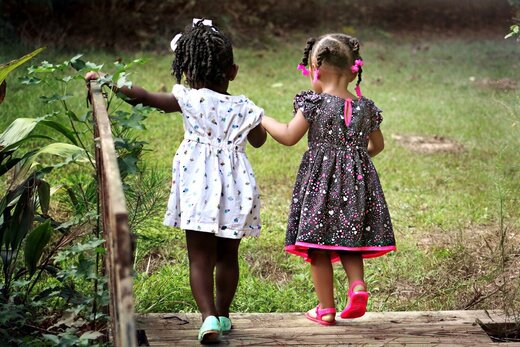
From early childhood to adulthood, we are constantly faced with everyday social situations, both small and seemingly trivial. In each moment, we must decide what is right or wrong and act accordingly. But who is it that helps, cares, shares, and cooperates with others? Why are some people kind to themselves and others, while others appear cold or even hostile? And what creates these differences in prosocial behavior?
This project seeks to uncover how children’s moral emotions and prosocial behaviors develop, and to expand our understanding of the diverse factors that influence such behaviors. These include moral emotions (such as guilt or shame), self-regulation, empathy, and various environmental influences in children’s lives.
Powered by Create your own unique website with customizable templates.
  • Home
  • Professor
  • Teaching
  • Research
    • Publications
    • Presentations
    • Awards
  • Projects
  • Research Team
  • Lab Photos
    • 2026 Spring
    • 2025 Fall
    • 2025 Spring
    • 2024 Fall
    • 2024 Spring
    • 2023 Fall
    • 2023 Spring
    • 2022 Fall
    • 2022 Spring
    • 2021 Fall
  • Contact
